

Public leisure is growing.
Participation is up, memberships are increasing, and demand across facilities remains strong. All Great. On the surface, that suggests the sector is moving in the right direction. But alongside that growth, expectations are shifting just as quickly, and that’s where the tension begins to show.
Operators are being asked to deliver more personalised, more engaging experiences, often on top of technology estates that were never designed to support that level of sophistication. The response, in many cases, has been to add more technology into the mix. More tools, more features, more data.
It sounds like progress, but it rarely solves the underlying issue.
Because the problem isn’t a lack of technology. It’s how that technology is being used.
At its core, public leisure already offers a huge amount of value. The range of activities is broad, the infrastructure is there, and the intent to engage communities is strong. Where things begin to fall down is in how that offer is experienced by the individual.
Most members are not short of options. If anything, they are faced with too many. Timetables, class lists, programmes — all readily available, but largely static and undifferentiated. The expectation is that members will navigate this themselves, find what works, and build habits over time.
Some do. Many don’t.
They fall back into familiar routines, miss opportunities that might suit them better, and gradually disengage. Not because the offer isn’t there, but because it isn’t being surfaced in a way that feels relevant or timely.
This is the gap that more technology tends to miss.
Adding another system, another interface, or another layer of functionality doesn’t automatically make the experience better. In fact, when those systems aren’t properly connected, it often introduces more fragmentation. Data exists in multiple places, but it isn’t being brought together in a way that helps guide behaviour.
As a result, the experience remains largely the same — just delivered through more channels.
What actually changes outcomes is something more fundamental.
It’s the ability to connect systems, understand behaviour across them, and use that understanding to guide each individual towards what matters to them. Not in a generic sense, but in a way that reflects how they engage, what they prefer, and where they are in their journey.
That is a different kind of digital experience. One that moves beyond simply presenting options, and starts to actively support participation.
This is where Connect focuses its effort.
Rather than introducing more standalone technology, the aim is to bring existing systems together, unlock the data between them, and apply intelligence in a way that makes that data useful. When that happens, the experience begins to shift. Members are no longer navigating everything that’s available; they are being guided towards what is most relevant to them, at the point it matters.
That might mean helping a new member find their rhythm early on, or encouraging an existing member to try something they wouldn’t normally consider. It might mean recognising when engagement is starting to drop and responding before that becomes a lost member.
None of this requires more technology in isolation. It requires better use of what is already in place.
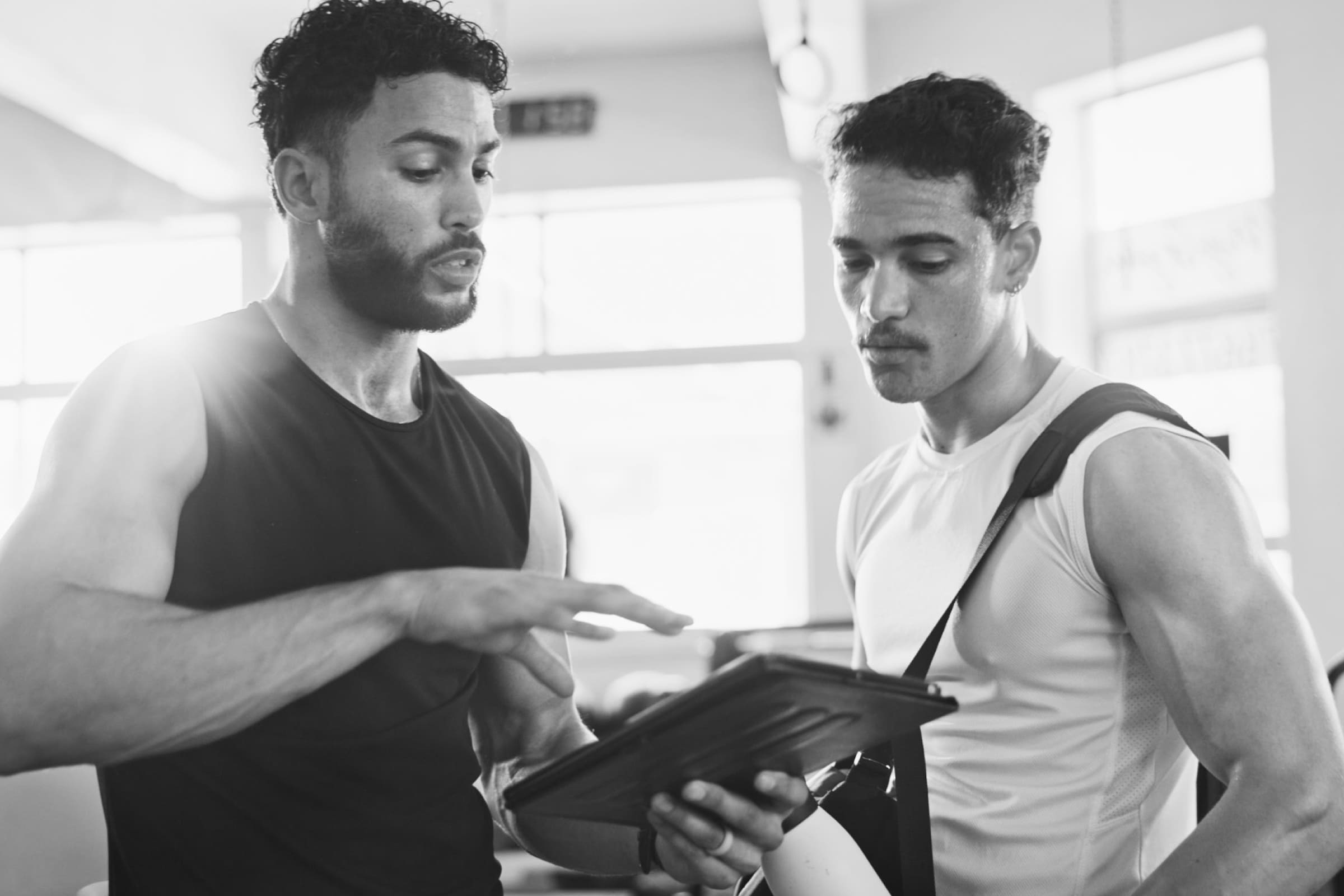
It is also worth recognising that technology on its own is not the answer. The strongest operators will always combine digital capability with human understanding. Teams on the ground play a critical role in reinforcing behaviour, building relationships, and creating the sense of connection that keeps people coming back.
What changes is how well those teams are supported. When data is connected and insight is available, conversations become more informed, interventions more timely, and the overall experience more consistent.
Public leisure doesn’t need more systems.
It needs a clearer way of making those systems work together, so that the right things are easier to find, and the overall experience feels considered rather than overwhelming.
If you’d like to see how this works in practice, feel free to book some time with me.